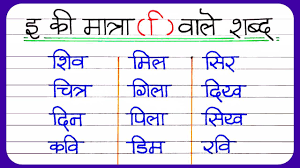
Mastering Hindi pronunciation requires understanding nuanced vowel sounds, and chhoti e ki matra wale shabd represent a fundamental aspect of this linguistic journey. These words feature the short “e” vowel sound (छोटी ए की मात्रा), distinct from the elongated “ay” sound in words like “जाएँगे”. For learners and native speakers alike, correctly identifying and pronouncing chhoti e ki matra wale shabd prevents communication errors and builds authentic fluency. Whether you’re studying Hindi academically or conversationally, this guide breaks down everything you need to know about these critical phonetic elements. According to Wikipedia, Hindi’s vowel system contains subtle distinctions that significantly impact meaning—making mastery of sounds like chhoti e essential.
Understanding chhoti e ki matra wale shabd
chhoti e ki matra wale shabd refer specifically to Hindi words containing the short “e” vowel sound, represented by the matra (vowel sign) े. This sound is brief and crisp, unlike the prolonged “ay” in एकारांत words. The term “chhoti” (small) emphasizes its short duration, typically lasting half the time of “badi e” (long e). These words follow consistent spelling rules where the े matra appears after consonants like क, च, or ट. For example, “केला” (banana) uses chhoti e, while “जाएँगे” uses badi e. Recognizing this distinction early prevents mispronunciations that could alter word meanings—a critical skill for language learners. The Hindi language relies heavily on such phonetic precision, where even minor sound variations change vocabulary entirely.
Why chhoti e ki matra wale shabd Matter in Hindi
Correct usage of chhoti e ki matra wale shabd directly impacts communication clarity in Hindi. Mispronouncing these words can lead to embarrassing misunderstandings; for instance, confusing “चेत” (consciousness) with “चाय” (tea) due to vowel length. For non-native speakers, mastering this sound builds confidence in professional and social settings, from business meetings to casual conversations. Educators emphasize these words in beginner curricula because they form building blocks for more complex grammar structures. Additionally, Hindi media—films, news, and music—frequently uses chhoti e ki matra wale shabd, making them indispensable for comprehension. As language learning evolves in 2026, digital tools increasingly focus on such phonetic nuances to enhance AI-driven pronunciation feedback. For structured learning resources, explore our comprehensive guides.
Common Examples of chhoti e ki matra wale shabd
Identifying chhoti e ki matra wale shabd becomes easier with practical examples. These words typically appear in everyday vocabulary across nouns, verbs, and adjectives. Here are frequent examples:
- केला (kela) – Banana
- चेत (chet) – Consciousness
- टेबल (table) – Table (loanword adaptation)
- डेट (date) – Date (as in calendar)
- बेटा (beta) – Son
- गेंद (gend) – Ball
- हेडफ़ोन (headphone) – Headphone
Notice how the े matra creates a sharp, unstressed “e” sound. Contrast this with badi e words like “जाएँगे” (jayenge), where the vowel elongates. Practice repeating these examples aloud to internalize the rhythm. For deeper linguistic analysis, refer to authoritative sources like Britannica’s Hindi language entry, which details phonetic patterns.
Effective Practice Techniques
Consistent practice transforms theoretical knowledge into muscle memory for chhoti e ki matra wale shabd. Implement these proven methods:
- Minimal Pair Drills: Compare chhoti e and badi e words side-by-side (e.g., “केला” vs. “केला” mispronounced as “kayla”). Record yourself to spot errors.
- Contextual Sentences: Use target words in phrases like “मैंने केला खाया” (I ate a banana) to reinforce natural usage.
- Digital Tools: Leverage apps with Hindi phoneme recognition for real-time feedback on vowel length.
- Tongue Positioning: Place your tongue closer to the palate than for English “e” sounds—this creates the distinct Hindi resonance.
Daily 10-minute sessions yield noticeable improvement within weeks. For personalized exercises, visit our interactive learning hub.
Avoiding Common Mistakes
Learners often stumble with chhoti e ki matra wale shabd due to native language interference. Key pitfalls include:
- Over-elongating the vowel: Stretching “केला” into “kayla” instead of crisp “kela”
- Confusing matras: Using ए (badi e) instead of े (chhoti e) in writing
- Ignoring stress patterns: Hindi places equal stress on all syllables, unlike English
Native English speakers particularly struggle because English lacks this precise vowel distinction. Solution: Focus on syllable brevity—chhoti e should feel like a quick “eh” sound. Shadowing native speakers in podcasts accelerates correction. Remember, even small errors in chhoti e ki matra wale shabd can derail comprehension, so prioritize accuracy over speed initially.
Conclusion
Mastering chhoti e ki matra wale shabd is non-negotiable for authentic Hindi proficiency. These words form the backbone of daily communication, and their correct pronunciation signals linguistic competence. By studying examples, practicing targeted drills, and avoiding common errors, learners can achieve remarkable fluency. As Hindi continues gaining global prominence in 2026, understanding such foundational elements becomes increasingly valuable for education, business, and cultural exchange. Start incorporating these techniques today—your journey to perfect Hindi starts with mastering the subtle power of chhoti e. For ongoing support, access our curated learning materials.
About the Author