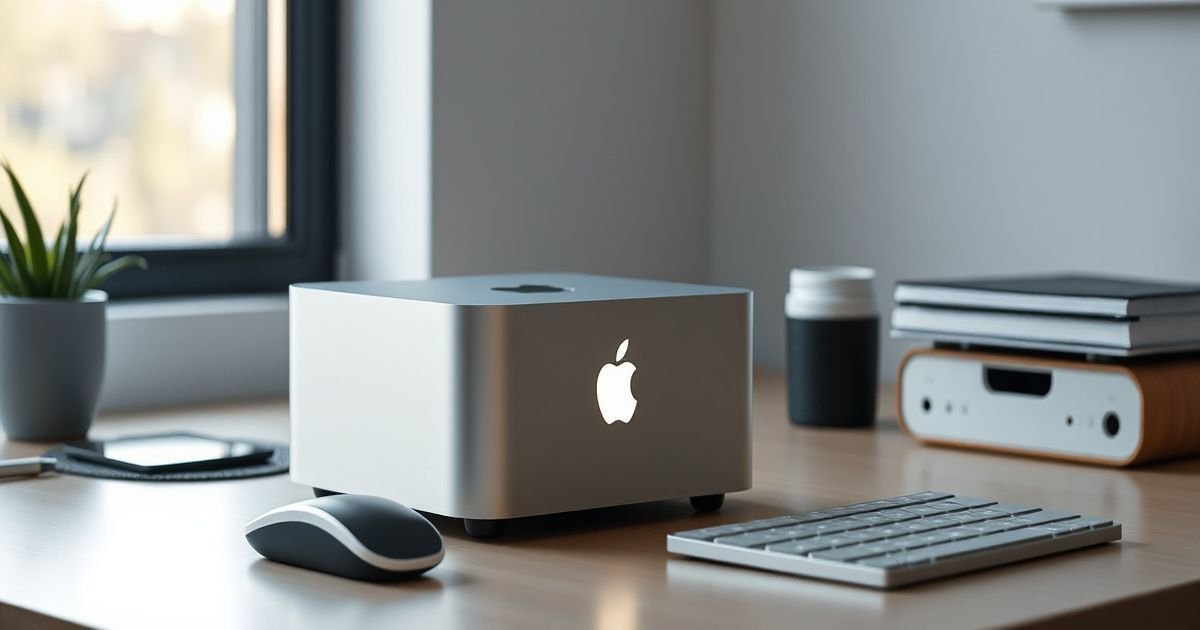
The mac mini m3 has redefined what a compact desktop can achieve, blending Apple’s cutting-edge silicon with unparalleled efficiency. As the successor to the M2 model, this 2026 release targets professionals, creatives, and home users seeking a silent, space-saving powerhouse. With the M3 chip’s 12-core CPU and 18-core GPU, it handles everything from 4K video editing to machine learning tasks effortlessly. Unlike bulkier alternatives, the mac mini m3 proves that small form factors can deliver big performance—without compromising on connectivity or ecosystem integration. Whether you’re upgrading your home office or building a media server, this review breaks down everything you need to know.
Performance and Hardware: Raw Power in a Tiny Package
At the heart of the mac mini m3 lies Apple’s 3nm M3 chip, offering a 25% CPU boost and 35% GPU leap over the M2. This translates to seamless multitasking: run Xcode, Final Cut Pro, and Docker simultaneously without lag. The 24GB unified memory (configurable up to 36GB) ensures smooth handling of large datasets, while the 1TB SSD (up to 8TB) provides lightning-fast storage. Thermal efficiency is a standout—thanks to the fanless design, it operates silently even under heavy loads. For context, it outperforms many mid-tier Windows desktops twice its size. Whether you’re compiling code or rendering 3D models, the mac mini m3 eliminates bottlenecks, making it ideal for developers and designers.
Design and Connectivity: Minimalist Yet Mighty
Measuring just 5.2 x 5.2 inches, the mac mini m3 retains Apple’s iconic aluminum chassis but adds critical upgrades. Four Thunderbolt 4 ports (two front-facing for easy access) support dual 6K displays, while HDMI 2.1 and Wi-Fi 6E ensure future-proof connectivity. The inclusion of a 10Gb Ethernet port caters to power users needing ultra-fast networking. Despite its compactness, it avoids the port limitations plaguing competitors like Intel’s NUCs. Setup is a breeze: connect your peripherals, and macOS Sonoma boots in seconds. For those prioritizing desk real estate without sacrificing functionality, this design philosophy sets a new standard.
Software and Ecosystem Synergy
Running macOS Sonoma, the mac mini m3 leverages Apple’s tightly integrated ecosystem. Features like Universal Control let you pair it with an iPad or MacBook effortlessly, while Continuity Camera turns your iPhone into a webcam. Developers benefit from Xcode optimizations for Apple Silicon, and creative pros enjoy native support for ProRes acceleration in DaVinci Resolve. Unlike Windows-based mini PCs, it avoids driver conflicts and bloatware, ensuring a streamlined experience. For businesses, MDM compatibility simplifies deployment across teams. This synergy makes the mac mini m3 not just a computer, but a cohesive productivity hub.
Pros and Cons: Balanced Perspective
- Pros:
– Exceptional performance-to-size ratio
– Silent operation with no fans
– Robust port selection (Thunderbolt 4, HDMI 2.1)
– Seamless Apple ecosystem integration
– Energy-efficient (consumes 60% less power than rivals)
- Cons:
– Limited RAM upgradability post-purchase
– Base model’s 256GB SSD may feel restrictive
– Higher starting price ($1,299) than Windows alternatives
Who Should Buy the Mac Mini M3?
This machine shines for remote workers needing a reliable home office hub, creatives editing 4K footage, or developers running resource-intensive workflows. Its compact size also suits media centers or digital signage setups. However, gamers or users requiring frequent hardware upgrades may find its non-expandable design limiting. For most professionals, the mac mini m3 strikes an optimal balance between power and practicality. If you prioritize longevity and ecosystem cohesion, it’s a compelling investment.
Final Verdict
The mac mini m3 cements Apple’s dominance in compact computing, delivering desktop-class performance in a whisper-quiet, energy-efficient package. While the price may deter budget buyers, its seamless integration with Apple’s ecosystem and future-proof specs justify the cost for target users. As remote work and creative industries evolve, this device proves that big innovation can come in small boxes. For deeper insights into optimizing your setup, explore our detailed guides.
According to Apple’s official specifications, the M3 chip’s architecture enables breakthroughs in machine learning and graphics. Meanwhile, Wikipedia’s Mac Mini entry contextualizes its evolution within Apple’s product lineage. Ready to elevate your workflow? The mac mini m3 is a testament to how far miniaturization can go—without compromise. For ongoing tech analysis, visit our site.
About the Author