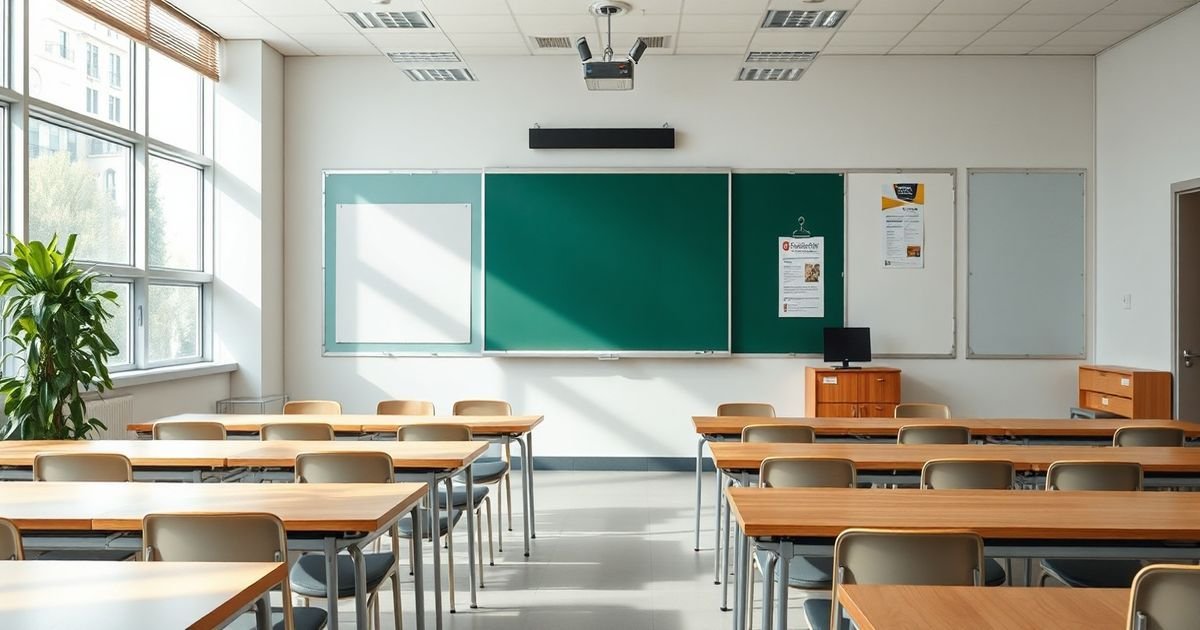
The education landscape is undergoing a seismic shift, moving far beyond the rigid rows of desks that defined classrooms for generations. As we navigate the complexities of 2026, the demand for dynamic, adaptable learning environments has never been greater. Enter classroom 30x – a revolutionary concept reimagining physical and pedagogical spaces to meet the diverse needs of today’s learners. This isn’t merely about new furniture; it’s a holistic philosophy centered on flexibility, technology integration, and student agency. Classroom 30x addresses critical challenges like varying learning paces, collaborative project work, and the seamless incorporation of digital tools. By prioritizing movement, choice, and personalized pathways, this model empowers educators to create truly responsive classrooms where every student can thrive. As educational paradigms evolve, understanding and implementing classroom 30x principles becomes essential for fostering engagement and preparing students for an unpredictable future. This article explores the core tenets, tangible benefits, and practical steps for bringing this transformative vision to life in your school.
Understanding the Classroom 30x Philosophy
At its heart, classroom 30x represents a fundamental departure from traditional classroom design. It’s not a specific product or a rigid blueprint, but rather a set of guiding principles focused on creating highly adaptable learning ecosystems. The “30x” signifies the goal of achieving 30 times the flexibility and functionality of a standard classroom. This involves rethinking every element: from movable walls and reconfigurable furniture to integrated technology infrastructure and pedagogical approaches that leverage the space’s potential. Unlike static environments, a classroom 30x space can rapidly transform from a lecture hall to a collaborative workshop, a quiet research zone, or a presentation stage within minutes. This agility is crucial for supporting modern teaching methodologies like project-based learning (PBL), station rotations, and personalized learning paths. According to Wikipedia, active learning strategies significantly boost student engagement and retention, and classroom 30x provides the physical foundation to make these strategies truly effective. Educators aren’t constrained by fixed seating; instead, they design learning experiences around the space’s capabilities, fostering a dynamic interplay between environment and instruction. The philosophy emphasizes that the space itself should be an active participant in the learning process, not just a passive container.
Key Benefits of Implementing Classroom 30x
Adopting the classroom 30x model delivers profound advantages for students, teachers, and the entire school community. The core benefit is unparalleled adaptability, allowing a single physical space to serve multiple instructional purposes throughout the day or week, maximizing resource utilization. This directly translates to enhanced student engagement, as learners can physically move to match their learning style or the task at hand – whether that’s a quiet corner for independent study, a large table for group brainstorming, or a tech-enabled zone for digital creation. Furthermore, classroom 30x environments inherently promote collaboration and communication skills, essential for future success. Students learn to navigate shared spaces, negotiate group dynamics, and present ideas effectively in varied settings. For educators, the flexibility reduces setup time between activities and provides diverse backdrops for instruction, making teaching more dynamic and responsive. Crucially, these spaces support inclusive education by offering multiple ways for students with different needs to access content and demonstrate understanding. Consider these transformative benefits:
- Dramatically Increased Engagement: Students actively choose environments matching their learning preferences, reducing restlessness and increasing focus.
- Optimized Resource Utilization: One physical space replaces the need for multiple specialized rooms (e.g., computer lab, group room), saving significant facility costs.
- Enhanced Collaboration & Communication: Flexible layouts naturally foster teamwork, discussion, and peer learning across various group sizes.
- Personalized Learning Pathways: Teachers can easily create differentiated zones for remediation, enrichment, or specific project needs within the same room.
- Future-Ready Skill Development: Students practice adaptability, spatial awareness, and self-direction – critical competencies for higher education and careers.
Implementing classroom 30x isn’t just about buying new furniture; it’s a cultural shift towards viewing the learning environment as a strategic asset. For practical implementation guides and case studies, explore our resources.
Practical Steps to Create Your Classroom 30x
Transforming a traditional classroom into a classroom 30x environment requires thoughtful planning and investment, but the process is highly achievable with a phased approach. Start by auditing your current space: identify fixed elements (like plumbing or electrical outlets) and assess what can be made mobile. The cornerstone is investing in high-quality, lightweight, and easily reconfigurable furniture. Think height-adjustable tables on casters, stackable chairs, mobile whiteboards, and modular storage units. Technology integration is non-negotiable; ensure robust Wi-Fi coverage, ample accessible power outlets (including floor ports), and devices that can move with students (like Chromebooks or tablets on carts). Crucially, involve teachers in the design process – their daily experience is vital for identifying functional needs. Pilot the concept in one classroom before a full rollout to refine the approach. Training is essential; educators need professional development on leveraging the space for specific pedagogical strategies, not just the physical rearrangement. Finally, establish clear protocols for students on using and resetting the space, fostering ownership and responsibility. Here’s a simplified implementation roadmap:
- Assess & Plan: Audit your space, define specific learning goals the new environment should support, and involve key stakeholders (teachers, students, facilities staff).
- Invest in Core Flexibility: Prioritize mobile furniture (tables, chairs, storage) and essential technology infrastructure (power, data, devices).
- Develop Pedagogy: Train teachers on active learning strategies that leverage the flexible space (station rotation, PBL, choice boards).
- Establish Protocols: Create clear guidelines for students on space usage, movement, and resetting the environment.
- Pilot & Iterate: Test the setup in one classroom, gather feedback, and refine before broader implementation.
Remember, the goal isn’t perfection on day one but creating a foundation for continuous evolution. As Britannica highlights, technology’s role in education is ever-expanding, and classroom 30x provides the physical framework to harness it effectively.
The Future of Classroom 30x in 2026 and Beyond
Looking ahead to 2026 and beyond, the classroom 30x concept is poised for even greater integration with emerging technologies and pedagogical trends. We anticipate seamless blending of physical and digital environments through augmented reality (AR) overlays that transform any surface into an interactive display, or AI-powered environmental controls that automatically adjust lighting and acoustics based on the activity happening in the space. The focus will intensify on data-informed design, where sensors (used ethically and privately) might provide insights into how spaces are utilized to further optimize layouts for engagement and learning outcomes. Sustainability will also become a core pillar, with classroom 30x designs incorporating eco-friendly materials and energy-efficient systems. Furthermore, the model will increasingly support hybrid and hyflex learning, ensuring physical spaces are equipped to seamlessly connect in-person and remote learners. The emphasis will shift from merely flexible furniture to creating truly intelligent learning ecosystems that anticipate needs and adapt proactively. As student populations become more diverse and learning modalities multiply, the classroom 30x philosophy offers a scalable, future-proof solution. It moves beyond reacting to change to actively shaping an educational environment where space is a dynamic catalyst for innovation, equity, and deep learning. Educators embracing this evolution will be at the forefront of preparing students for a world defined by constant adaptation.
Conclusion: Embracing the Transformative Power of Classroom 30x
The classroom 30x movement represents far more than a trend in educational design; it’s a necessary evolution responding to the dynamic needs of 21st-century learners and educators. By prioritizing flexibility, technology integration, and student-centered principles, this model dismantles the limitations of traditional classrooms, creating vibrant ecosystems where learning can truly flourish in diverse ways. The benefits – from heightened engagement and collaboration to personalized pathways and future-ready skill development – are tangible and transformative. While implementation requires thoughtful investment and a shift in pedagogical mindset, the long-term gains for student outcomes and teacher satisfaction are immense. As we move further into 2026, the ability to adapt learning environments rapidly will be a critical differentiator for schools committed to excellence. The classroom 30x philosophy provides the blueprint for this essential adaptability. It’s time to move beyond the static classroom and embrace spaces that actively empower every learner. Start exploring how you can bring the classroom 30x vision to your school today – the future of education is flexible, and it begins with reimagining the space itself. Discover actionable strategies and inspiration on our site.