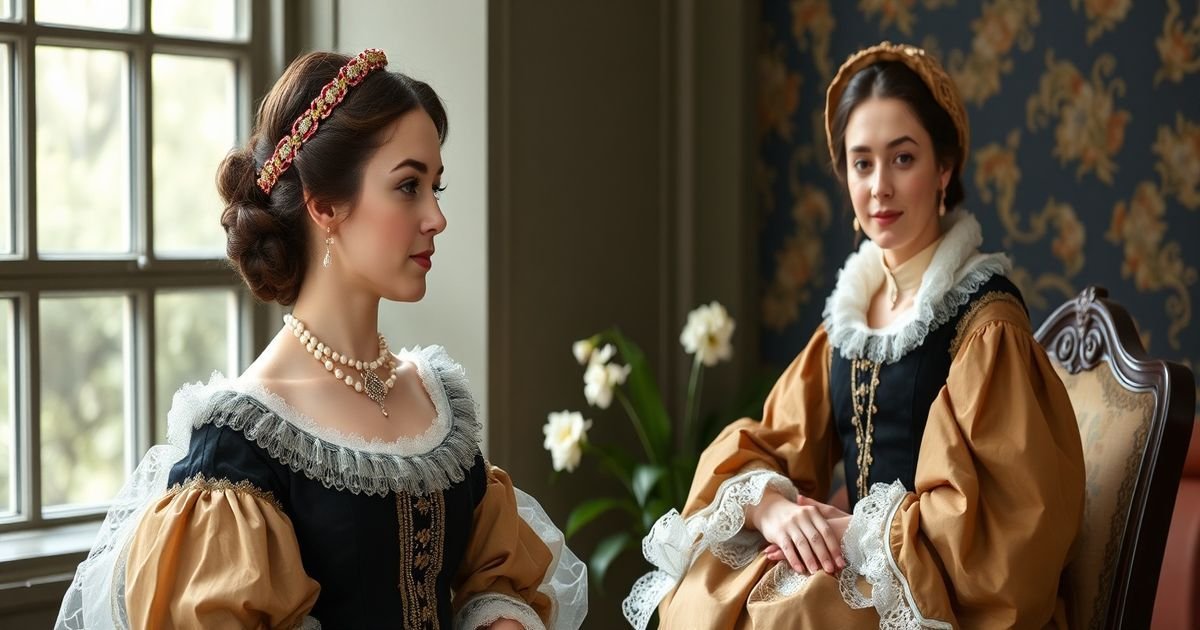
Elizabeth Mary Wilhelmina Bentinck remains a pivotal yet often understudied figure in Dutch royal history. As the wife of King William IV, she navigated the complex political landscape of the early 19th century with remarkable grace and strategic acumen. Her full name, elizabeth mary wilhelmina bentinck, reflects her distinguished lineage and the weight of her position. Born into the influential Bentinck family, she became a crucial stabilizing force during a transformative period for the Netherlands, shaping court culture and supporting key social initiatives. Understanding elizabeth mary wilhelmina bentinck provides essential insight into the evolution of Dutch monarchy and society post-Napoleonic era. Her story transcends mere genealogy, offering lessons in diplomacy, patronage, and the quiet power wielded by royal consorts.
Early Life and Noble Heritage
Elizabeth Mary Wilhelmina Bentinck entered the world on May 22, 1782, in The Hague, Netherlands. She was the daughter of William Bentinck, 1st Earl of Portland, and Charlotte Sophie Bentinck, positioning her within the highest echelons of European aristocracy. Her upbringing was steeped in the traditions of the Dutch Republic’s regent class, emphasizing education, political awareness, and social responsibility. This foundation proved invaluable when, at just 17, she married the future King William IV in 1816. Her early experiences within influential circles prepared her for the demanding role of Queen Consort. The elizabeth mary wilhelmina bentinck lineage connected the Dutch monarchy to broader European power structures, facilitating crucial diplomatic relationships during the Congress of Vienna’s aftermath. Her multilingual abilities and cultural refinement were assets in this new chapter.
Marriage to William IV and Role as Queen Consort
Her marriage to William IV (then Prince of Orange) marked a significant alliance. As Queen Consort from 1840 until her death in 1849, elizabeth mary wilhelmina bentinck redefined the position’s influence. She was not merely a ceremonial figure but an active partner in governance, particularly during William IV’s later years when his health declined. Elizabeth focused intensely on social welfare, championing initiatives for the poor, healthcare improvements, and education for women. She leveraged her position to support hospitals and orphanages, demonstrating a commitment to tangible societal progress. Her court became known for its relative modesty and focus on Dutch cultural identity, a deliberate contrast to earlier opulent regimes. Key aspects of her consortship included:
- Strategic Patronage: Supporting artists, writers, and scientists aligned with Dutch national pride.
- Diplomatic Mediation: Using her connections to ease tensions within the royal family and with other European courts.
- Social Advocacy: Prioritizing charitable works that directly impacted ordinary citizens’ lives.
For deeper historical context on European royalty of this era, explore our resources.
Later Life, Legacy, and Historical Significance
Elizabeth Mary Wilhelmina Bentinck’s later years were marked by personal tragedy, including the early death of several children, yet she maintained her public duties with resilience. She passed away on December 3, 1849, in The Hague, leaving a profound legacy. Historians credit her with modernizing the role of the Queen Consort, shifting it towards active social engagement rather than passive representation. Her influence extended beyond her lifetime, shaping how subsequent Dutch consorts approached their duties. The elizabeth mary wilhelmina bentinck approach emphasized humility, service, and national unity – values that resonated deeply in the young Kingdom of the Netherlands. According to Wikipedia, her funeral was a national event, reflecting the deep public respect she garnered. Her contributions laid groundwork for the monarchy’s enduring relevance in Dutch civic life.
Why Elizabeth Mary Wilhelmina Bentinck Matters Today
The enduring significance of elizabeth mary wilhelmina bentinck lies in her embodiment of quiet leadership and societal contribution. In an era when women’s political power was often circumscribed, she wielded influence through strategic patronage, diplomatic finesse, and unwavering commitment to social causes. Her life offers a compelling case study in how royal figures can drive progressive change within constitutional frameworks. Modern historians increasingly recognize her role in fostering Dutch national identity during a critical formation period. Essential elements of her relevance include:
- Model of Consort Leadership: Demonstrating how royal spouses can effectively support national development.
- Bridge Between Eras: Connecting the Dutch Republic’s traditions with the modern constitutional monarchy.
- Social Reform Catalyst: Pioneering royal involvement in welfare systems that later became institutionalized.
Her story reminds us that historical impact isn’t always measured in treaties or battles, but in the sustained, compassionate work that builds societal foundations. For authoritative insights into European monarchical traditions, consult Encyclopædia Britannica.
Elizabeth Mary Wilhelmina Bentinck’s legacy continues to inspire discussions about the evolving role of royalty in public service. Her life exemplifies how dedication to social welfare and cultural patronage can cement a monarch’s place in a nation’s heart. To delve deeper into stories of influential historical figures, learn more on our site. Understanding elizabeth mary wilhelmina bentinck is key to appreciating the nuanced dynamics of 19th-century European monarchy and the enduring power of principled leadership. Her contributions remain a vital thread in the rich tapestry of Dutch history.