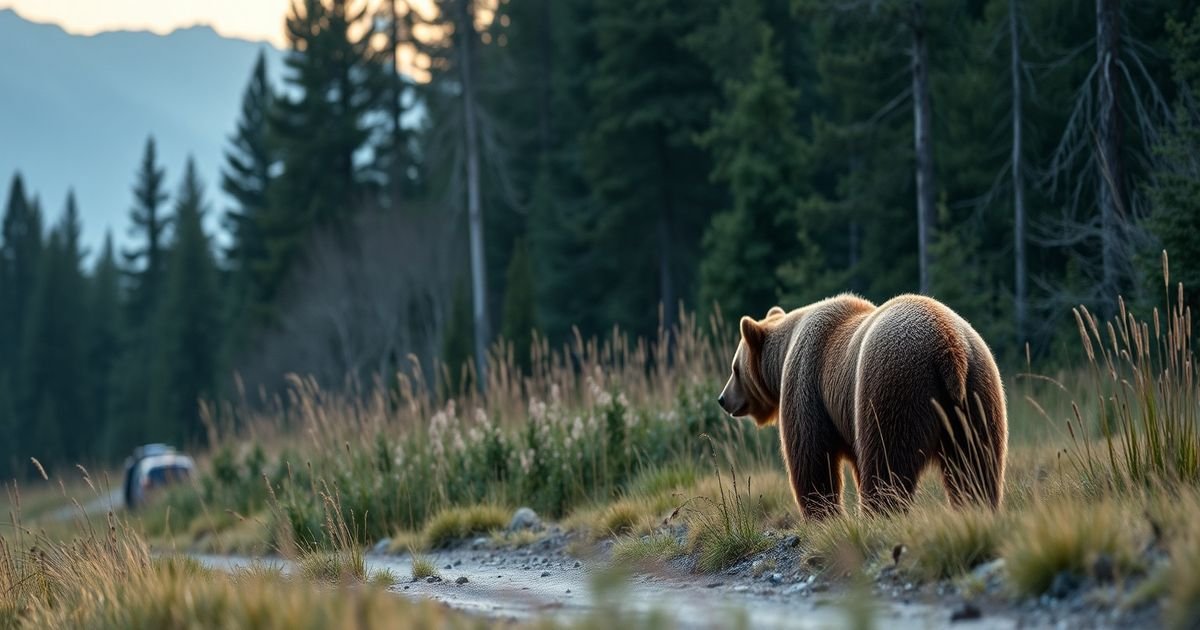
Encountering a grizzly bear while walking your dog is a scenario no pet owner wants to face, yet it’s a rising concern in North American wilderness areas. As human development expands into bear habitats and recreational activities increase, grizzly bear dog walker encounters are becoming more frequent. These situations are inherently dangerous, as dogs can trigger defensive or predatory bear behavior, putting both the animal and the human at severe risk. Understanding the dynamics, risks, and critical safety protocols is not just advisable—it’s essential for anyone venturing into grizzly country with a canine companion. This guide provides actionable, evidence-based strategies to prevent and manage these potentially life-threatening incidents, emphasizing preparedness and calm response. Ignoring this knowledge could have devastating consequences for you, your pet, and the bear.
Understanding the Grizzly Bear Dog Walker Encounter
A grizzly bear dog walker encounter occurs when a person walking a dog unexpectedly comes into close proximity with a grizzly bear (Ursus arctos horribilis). These encounters are particularly perilous because dogs often behave in ways that provoke bears. A dog’s natural instinct might be to bark, chase, or retreat erratically, which a bear can interpret as a threat, especially if cubs are nearby or the bear feels cornered. Unlike black bears, grizzlies are more likely to stand their ground defensively. The presence of a dog significantly escalates the danger level compared to a human-only encounter. According to wildlife authorities, dogs are involved in a disproportionate number of serious bear incidents. Recognizing that your dog is not just a pet but a potential catalyst in this scenario is the first step towards safety. Always assume grizzlies are present in designated habitats, even on familiar trails.
Why Dogs Increase Risk in Grizzly Encounters
Dogs inherently complicate bear interactions due to their behavior and the bear’s perception. Several key factors make grizzly bear dog walker encounters exceptionally hazardous:
- Provocation: Barking, lunging, or chasing can trigger a bear’s defensive instincts, especially a sow protecting cubs. A dog running towards a bear is a major red flag.
- Scent Attraction: Bears have an extraordinary sense of smell. A dog’s scent, particularly if it has rolled in something interesting, can draw a bear’s attention from a distance.
- Flight Response: If a dog panics and runs back to its owner, it can lead the bear directly to the human, who may be unprepared. Bears can easily outrun both dogs and humans.
- Perceived Threat: To a bear, a dog might resemble prey or a competing predator, triggering an attack. Even a friendly dog’s presence can make a bear feel threatened in its space.
- Owner Distraction: Focusing on controlling a frightened or excited dog diverts the owner’s attention from the bear and critical safety actions. As noted by Wikipedia, grizzlies are powerful predators and defensive encounters are common when they feel threatened.
Understanding these dynamics is crucial. Your dog’s natural reactions, while instinctive, directly increase the likelihood of a violent confrontation. Never assume your dog will “calm down” or that the bear will simply leave.
Essential Prevention Strategies for Dog Walkers
Preventing a grizzly bear dog walker encounter is always the best strategy. Proactive measures drastically reduce risk:
- Know the Area: Research current bear activity before heading out. Check with local ranger stations, parks services, or wildlife agencies for recent sightings and trail closures. Avoid areas with known high bear traffic, especially during berry season (late summer/fall) or near carcasses.
- Leash Your Dog RELIGIOUSLY: This is non-negotiable in grizzly country. A sturdy 6-foot leash gives you maximum control. Retractable leashes are dangerous as they tangle and prevent quick restraint. Keep your dog close and visible at all times.
- Carry Bear Spray & Know How to Use It: Have EPA-approved bear spray readily accessible (not buried in your pack), with the safety tab removed and your hand on the trigger. Practice drawing it quickly. Ensure it’s effective for grizzlies (minimum 7.9 oz canister). For detailed safety protocols, refer to guidelines from the Centers for Disease Control and Prevention on wildlife hazards.
- Make Noise: Especially in dense brush, near streams, or windy conditions where bears might not hear you approach. Talk loudly, clap, or use bear bells. This alerts bears to your presence, giving them time to leave peacefully. Avoid silent hiking.
- Stay Alert & Observe Signs: Constantly scan your surroundings. Look for fresh tracks, scat, diggings, or torn-up logs. If you see evidence of recent bear activity, turn back immediately. Never approach a bear carcass – it attracts bears and is extremely dangerous.
For comprehensive outdoor safety resources and trail condition updates, check out our website. Consistent application of these steps forms your primary defense.
Immediate Response During an Encounter
If you spot a grizzly bear while walking your dog, your immediate actions are critical. Do NOT run. Running can trigger a chase response. Instead:
- Stop & Assess: Freeze immediately. Identify the bear’s behavior. Is it aware of you? Is it feeding, with cubs, or acting defensively (huffing, jaw popping, swatting ground)?
- Secure Your Dog: If leashed, pull your dog close to your side, keeping it under control. Do NOT let your dog approach the bear or bark. If off-leash (strongly discouraged), call your dog calmly back to you. If it won’t come, leave it and focus on the bear – a loose dog is the biggest liability.
- Speak Calmly & Back Away: Talk to the bear in a low, calm voice. Slowly back away diagonally, never turning your back. Keep facing the bear while moving away. Give it a wide berth (at least 100 yards).
- Deploy Bear Spray IF Charged: If the bear charges (often a bluff), stand your ground. Only use bear spray if the bear is within 25-30 feet and actively attacking. Aim slightly down (spray rises) and create a cloud between you and the bear. Spray in short bursts.
- Play Dead ONLY for Defensive Attacks: If a grizzly makes contact in a defensive attack (you surprised it, it has cubs), play dead. Lie flat on your stomach, legs slightly apart, hands clasped behind your neck. Stay still until you’re sure the bear has left. Fight back ONLY if the attack is predatory (bear stalks you, attacks at night, persistent attack after playing dead).
Remember, your priority is human safety. A dog may need to be sacrificed to save your life in an extreme defensive attack – a heartbreaking but necessary reality of grizzly bear dog walker encounters.
Conclusion: Prioritizing Safety in Bear Country
Navigating the wilderness with your dog in grizzly bear habitat demands respect, preparation, and unwavering adherence to safety protocols. A grizzly bear dog walker encounter is a high-stakes situation where prevention is paramount, and response must be swift and correct. By leashing your dog, carrying and knowing how to use bear spray, making noise, staying vigilant, and understanding bear behavior, you significantly mitigate the risks. Always prioritize human safety above all else during an encounter. Continuous education and situational awareness are your best tools. For ongoing updates on wildlife safety practices and trail conditions, visit here. Respect for these magnificent but powerful creatures, coupled with informed action, ensures safer adventures for you, your dog, and the bears that call these wild places home. Stay prepared, stay alert, and enjoy the outdoors responsibly.
About the Author