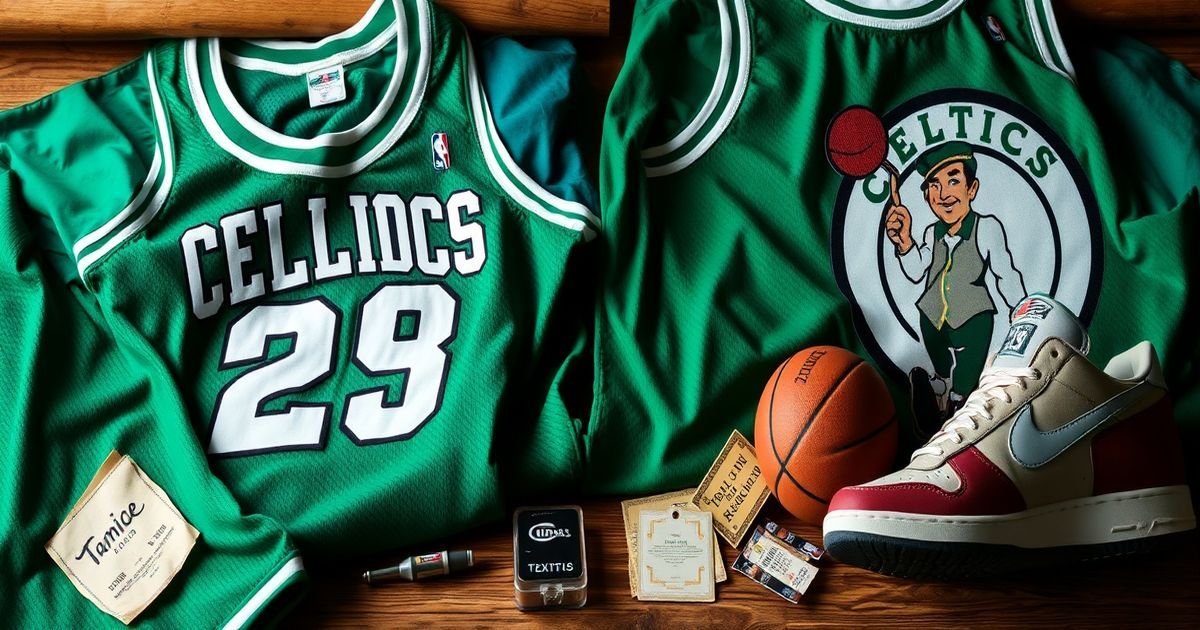
The orlando magic vs boston celtics timeline represents one of the NBA’s most intriguing inter-conference narratives, spanning decades of evolving dynamics between two iconic franchises. While not sharing the divisional intensity of historic rivals, their encounters have consistently delivered high-stakes drama, from regular-season showdowns to pivotal playoff series. This timeline traces how the Celtics’ legacy clashed with the Magic’s rise, creating memorable moments that resonate with fans today. Understanding this history reveals why matchups between these teams remain must-watch events, blending Boston’s championship pedigree with Orlando’s underdog spirit. For deeper insights into NBA rivalries, explore our resources.
Early Years and Initial Encounters (1989-1995)
The rivalry formally began when the Orlando Magic entered the NBA in 1989, joining the Eastern Conference’s Atlantic Division alongside the Celtics. Their first meeting occurred on November 3, 1989, with Boston securing a 112-103 victory. Early matchups were defined by contrasting styles: Boston relied on veteran leadership like Larry Bird and Kevin McHale, while Orlando built around young stars such as Scott Skiles and Nick Anderson. The 1991-92 season marked a turning point when the Magic drafted Shaquille O’Neal, shifting the competitive balance. By 1995, Orlando had won seven of their last ten regular-season games against Boston, signaling their emergence as a legitimate threat. According to Wikipedia, this era laid groundwork for future playoff clashes as both teams navigated conference realignments.
Playoff Battles and Defining Moments (1995-2000)
The rivalry intensified dramatically during the 1990s playoffs, featuring three critical series that cemented its significance. Orlando eliminated Boston in the 1995 Eastern Conference First Round, with Shaq dominating the paint. The Celtics exacted revenge in the 1996 First Round, overcoming a 3-1 deficit to win Game 7 in Boston Garden—a rare feat in NBA history. The most iconic chapter unfolded in the 1998 Eastern Conference Semifinals, where the Magic, led by Penny Hardaway and Dwight Howard’s emerging presence, defeated the Celtics in six games. Key factors included:
- Shaq’s free-throw struggles becoming a strategic focal point
- Boston’s reliance on Reggie Lewis’ legacy and new stars like Antoine Walker
- Orlando’s innovative “inside-out” offensive schemes
These series established psychological edges that influenced regular-season matchups for years.
Modern Era and Renewed Competition (2000-2025)
The 2000s saw sporadic but intense regular-season battles as both teams rebuilt. Orlando’s 2009 Finals run included a pivotal March 2009 victory over Boston that boosted their confidence en route to the championship series. The rivalry regained playoff prominence during the 2010s with contrasting rebuilds: Boston leveraged the “Big Three” era (Garnett, Allen, Pierce) while Orlando centered around Dwight Howard. Notable modern moments include:
- The 2012 first-round series where Boston eliminated Orlando in seven games
- Jayson Tatum’s 41-point outburst against Orlando in 2021
- Orlando’s 2024 playoff push ending Boston’s historic 64-win season
The 2025-26 season continues this pattern, with both teams positioned as Eastern Conference contenders. As noted by Britannica, such sustained competitiveness highlights the rivalry’s unique longevity.
Analyzing the Rivalry’s Unique Dynamics
Unlike divisional foes, the orlando magic vs boston celtics timeline thrives on contrasting identities rather than geographic proximity. Boston embodies NBA tradition with 17 championships, while Orlando represents modern innovation through draft-centric rebuilds. This dichotomy creates fascinating strategic clashes—Boston’s methodical half-court offense versus Orlando’s transition-heavy approach. The rivalry also showcases how franchise trajectories intersect: both teams experienced “golden ages” (Celtics: 1980s; Magic: mid-1990s) followed by rebuilds, creating natural competitive windows. Crucially, star power has driven engagement, from Bird vs. Skiles to Tatum vs. Paolo Banchero. This dynamic ensures each matchup carries historical weight, making the orlando magic vs boston celtics timeline a microcosm of NBA evolution.
Why This Timeline Matters for NBA Fans
Studying this rivalry offers valuable insights into basketball’s broader narratives. It demonstrates how non-divisional matchups can achieve iconic status through playoff intensity and star power. The orlando magic vs boston celtics timeline also reflects the NBA’s growth from regional leagues to a global phenomenon, with both franchises contributing significantly to international fan engagement. For historians, it provides a case study in how front-office decisions (like Boston’s 2007 trade for Garnett or Orlando’s 2012 Howard saga) ripple through decades of competition. As the league evolves, this timeline remains relevant—proving that legacy and innovation can coexist in compelling basketball drama. To understand modern NBA culture, visit here for expert analysis on how historic rivalries shape today’s game.
In conclusion, the orlando magic vs boston celtics timeline transcends simple win-loss records, embodying the NBA’s capacity for renewal and rivalry. From Shaq’s early dominance to Tatum’s current stardom, each era adds layers to this enduring narrative. As both teams enter the 2026 season with championship aspirations, their next chapter promises to further enrich basketball history. For fans seeking to appreciate the sport’s depth, this timeline is an essential reference point—a testament to how two distinct franchises can create collectively unforgettable moments.
About the Author