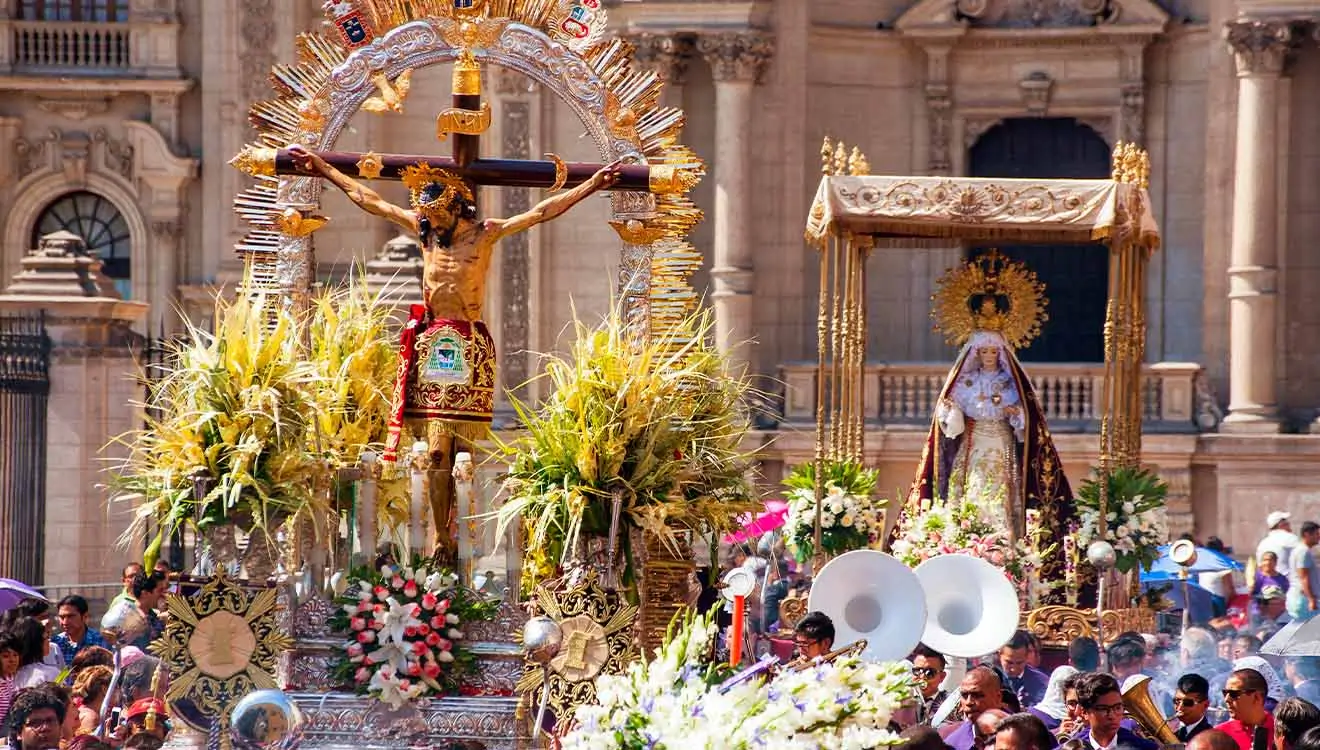
Semana Santa 2025 represents one of the most profound religious and cultural events in the Catholic calendar, observed globally but with unparalleled intensity across Spain, Latin America, and other Spanish-speaking regions. Occurring annually in the week leading up to Easter Sunday, this period commemorates the Passion, Death, and Resurrection of Jesus Christ through solemn processions, elaborate rituals, and community gatherings. For travelers and culture enthusiasts, semana santa 2025 offers a unique window into centuries-old traditions that blend spirituality, artistry, and local identity. Whether you’re planning a pilgrimage or seeking to understand its global impact, this guide covers essential insights, practical advice, and historical context to enrich your experience. As we reflect on semana santa 2025 in 2026, its legacy continues to inspire millions, making it a timeless exploration of faith and community.
Semana Santa 2025: Traditions and Significance
Semana Santa 2025 unfolded with profound reverence across the globe, rooted in biblical narratives yet deeply personalized by regional customs. Key days include Palm Sunday (marking Jesus’ entry into Jerusalem), Holy Thursday (commemorating the Last Supper), Good Friday (honoring the Crucifixion), and Easter Sunday (celebrating the Resurrection). In Spain, cities like Seville and Valladolid transformed into living museums of devotion, with nazarenos (penitents in hooded robes) and costaleros (porters carrying ornate floats) leading processions. These events, often dating back centuries, emphasize humility and collective mourning. According to Wikipedia, the term “Semana Santa” specifically refers to the Spanish and Latin American observance, distinct from other regions’ “Holy Week.” The 2025 celebrations saw renewed interest in eco-friendly practices, such as biodegradable floral decorations, reflecting modern sustainability concerns while preserving tradition. Understanding these rituals reveals how semana santa 2025 bridges ancient faith with contemporary values.
Top Destinations for Semana Santa 2025 Celebrations
For an authentic semana santa 2025 experience, certain destinations stand out for their scale, history, and emotional depth. Spain remains the epicenter, with Andalusia hosting the most iconic events:
- Seville: Renowned for its cofradías (brotherhoods) and haunting saetas (flamenco-style hymns), the city’s processions draw millions.
- Valladolid: Famous for its sculptural realism, particularly the Procession of the Holy Burial.
- Málaga: Combines maritime traditions with intense street processions along the coast.
- Latin America: Cities like Popayán (Colombia) and Ayacucho (Peru) offer vibrant indigenous-Catholic fusions, featuring intricate flower carpets and nocturnal marches.
These locations provide not just visual spectacles but immersive cultural exchanges. Travelers in 2025 noted increased accessibility through digital ticketing for popular processions, though spontaneity remains part of the charm. For deeper insights into regional variations, explore our resources on global religious festivals.
Practical Travel Tips for Semana Santa 2025
Navigating semana santa 2025 requires strategic planning due to massive crowds and logistical shifts. Key advice includes:
- Book Early: Accommodations in hotspot cities sell out 6–12 months ahead; 2025 saw 90% occupancy by January.
- Respect Local Customs: Dress modestly, avoid loud behavior during processions, and follow photography rules (often prohibited at night).
- Use Public Transport: Many cities restrict vehicles; trains and buses are efficient alternatives.
- Carry Essentials: Comfortable shoes, water, and cash (some vendors don’t accept cards) are non-negotiable.
Weather varies—Southern Spain is mild (15–22°C), while Andean regions like Cusco can be chilly (5–15°C). Always check local schedules, as processions shift yearly based on lunar cycles. For real-time updates, consult official tourism sites or apps like Semana Santa Official. Remember, semana santa 2025 prioritizes reflection over tourism, so approach with humility.
Cultural Significance and Modern Observances
Beyond religion, semana santa 2025 serves as a cultural anchor, preserving artisanal crafts, music, and social cohesion. In Seville, the pasos (floats) showcase Baroque sculptures by masters like Martínez Montañés, while in Guatemala, indigenous communities weave alfombras (carpets) from dyed sawdust. Modern adaptations emerged in 2025, including virtual reality tours for remote participants and eco-conscious initiatives reducing waste. Encyclopedia Britannica notes that Holy Week’s evolution reflects societal changes, such as gender-inclusive brotherhoods in Mexico. Yet core elements endure: the silence of Viernes Santo (Good Friday) or the joyous Domingo de Resurrección (Easter Sunday) masses. This duality—timeless yet adaptive—ensures semana santa 2025 remains relevant across generations, fostering unity in an increasingly fragmented world.
Planning Ahead: Semana Santa 2026 and Beyond
While semana santa 2025 has concluded, its lessons inform future planning. Easter dates shift annually (2026: March 29–April 4), so mark calendars early. Key trends to watch:
- Sustainable Tourism: Expect more carbon-neutral processions and digital guides.
- Inclusive Experiences: Broader access for disabled visitors and non-Spanish speakers.
- Hybrid Events: Continued growth of live-streamed ceremonies for global audiences.
Leverage 2025’s insights: Book flights 8+ months ahead, prioritize lesser-known towns like Zamora for intimacy, and learn basic Spanish phrases to engage locals. As faith traditions evolve, semana santa 2025 reminds us that preparation honors both past and future. For ongoing cultural guides, visit here.
Semana Santa 2025 transcended mere ritual, embodying humanity’s enduring search for meaning through collective memory and renewal. Whether you witnessed its processions firsthand or discovered it retrospectively in 2026, its resonance lies in universal themes of sacrifice, hope, and community. As you plan future journeys, let semana santa 2025 inspire deeper connections—to culture, faith, and the world around you. Embrace the spirit of reflection, and carry its lessons forward long after the final alleluia fades.
About the Author