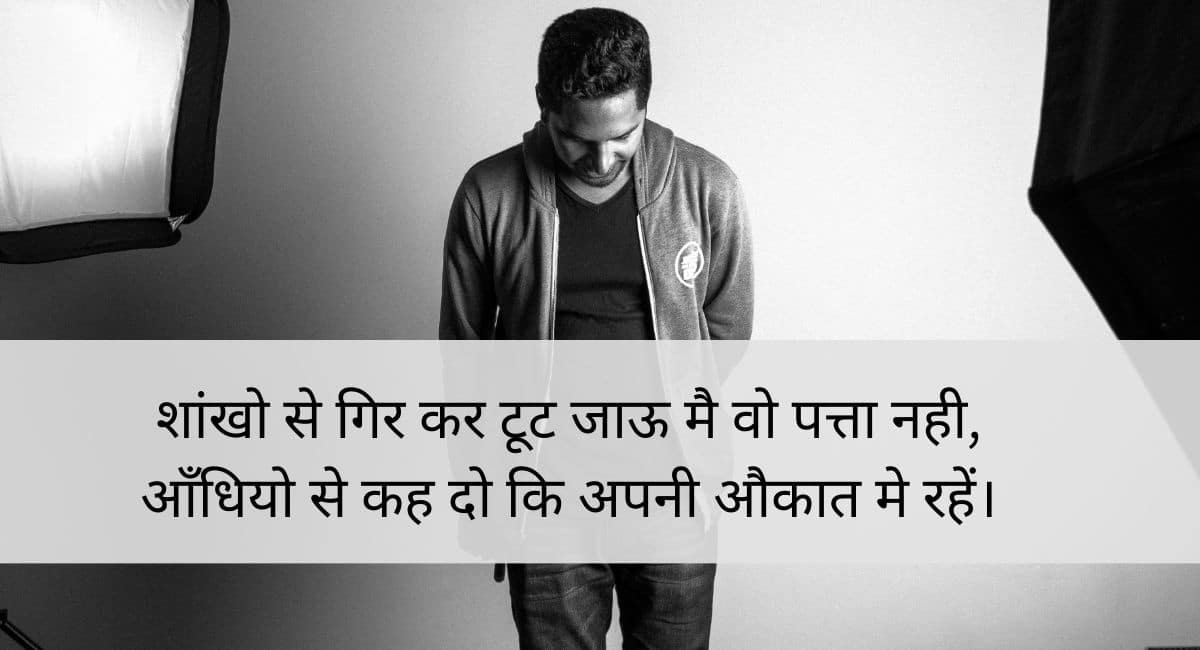
किसी को जलाने की एटीट्यूड शायरी represents a compelling niche within Hindi and Urdu poetry, where raw emotion transforms into structured verse. Literally translating to “attitude poetry for burning someone,” this form channels intense feelings of anger, betrayal, or defiance through metaphorical language. Unlike conventional romantic shayari, it weaponizes words to convey unapologetic strength, making it popular in digital spaces for catharsis and empowerment. Rooted in South Asian poetic traditions, it blends classical qata (satirical poetry) with modern colloquial expressions. As explained on Wikipedia, shayari evolved from Mughal-era courts to contemporary social media, adapting to express societal frustrations. This genre resonates deeply in 2026, where digital platforms amplify personal narratives, turning individual grievances into collective anthems of resilience.
What Defines किसी को जलाने की एटीट्यूड शायरी?
At its core, किसी को जलाने की एटीट्यूड शायरी uses fire as a central metaphor for emotional destruction and rebirth. Poets craft verses that symbolically “burn” adversaries through sharp imagery—comparing insults to flames or resilience to ashes. Key characteristics include:
- Aggressive tone: Direct, confrontational language rejecting victimhood.
- Metaphorical depth: Fire represents both pain (“तेरी गलती आग है”) and purification (“मैं राख का फूल बनूँगा”).
- Rhythmic intensity: Short, punchy couplets (sher) for viral shareability.
This form thrives on authenticity, transforming personal anguish into universal statements. It’s not mere ranting; it’s calculated artistry where every word serves as ember or spark. Understanding its nuances helps avoid misinterpretation as toxicity, instead recognizing it as a cultural tool for reclaiming agency.
Key Elements That Make This Shayari Powerful
Effective किसी को जलाने की एटीट्यूड शायरी hinges on specific poetic devices that amplify its emotional impact. These elements ensure verses resonate while maintaining artistic integrity:
- Symbolism: Fire, ashes, and phoenix imagery dominate, signifying destruction and renewal.
- Rhyme and meter: Consistent qafiya (rhyme) and beher (meter) create memorable, chant-like quality.
- Cultural references: Allusions to historical figures like Rani Lakshmibai or mythological tales add depth.
- Brevity: Most couplets are 2-4 lines, optimized for Instagram or WhatsApp sharing.
Missing these components risks reducing shayari to generic complaints. For instance, “तूने जलाया, मैंने बचाया” (You burned me, I survived) works because it pairs fire symbolism with triumphant rhythm—a hallmark of skilled composition.
Examples of Impactful किसी को जलाने की एटीट्यूड शायरी
Real-world examples illustrate how this genre turns pain into power. Consider these popular verses:
- “तेरी झूठी चाहतों की आग में, मैं अभी भी जल रहा हूँ। पर आग कब बुझेगी, ये तुझे पता है नहीं।”
(In the fire of your false desires, I still burn. But when this fire extinguishes, you don’t know.)
Here, the poet reframes victimhood as endurance, using fire as a test of time.
- “तूने मुझे जलाया, पर मैंने सीखा—राख से भी जलता है अगर वो अपनी आग बनाए।”
(You burned me, but I learned—ashes burn too if they make their own fire.)
This couplet subverts expectations by showing resilience born from destruction.
Such examples highlight how किसी को जलाने की एटीट्यूड शायरी balances aggression with wisdom, avoiding empty threats. For more on poetic techniques, explore our resources.
How to Craft Your Own किसी को जलाने की एटीट्यूड शायरी
Creating authentic किसी को जलाने की एटीट्यूड शायरी requires emotional honesty and technical skill. Follow these steps:
- Identify your core emotion: Is it betrayal, injustice, or empowerment? Anchor verses in specific feelings.
- Choose fire metaphors: Use “आग” (fire), “राख” (ashes), or “फूल” (flower from ashes) to symbolize transformation.
- Structure in couplets: Compose two-line shers with end-rhyme (e.g., “जलाना/बचाना”).
- Add cultural texture: Reference festivals (Diwali’s lamps), folklore, or historical resistance.
- Edit for impact: Trim filler words; every syllable should intensify the message.
Avoid clichés like “तू आग है, मैं पानी” (You’re fire, I’m water)—overused phrases dilute authenticity. Instead, innovate: “तेरी आग से भी गर्म है मेरी छाया” (My shadow is warmer than your fire).
Cultural Significance in Modern Society
किसी को जलाने की एटीट्यूड शायरी gained momentum through Bollywood (e.g., Gangs of Wasseypur dialogues) and social media influencers. It serves as a voice for marginalized groups, turning personal slights into social commentary. As noted by Britannica, poetry has always been a tool for dissent, and this genre modernizes that tradition. In 2026, it fuels movements against cyberbullying and gender inequality, with hashtags like #AttitudeShayari trending globally. However, critics warn against normalizing hostility—true mastery lies in balancing fire with hope, ensuring verses inspire rather than incite. This duality defines its enduring appeal: destructive yet constructive, personal yet universal.
Why This Genre Matters Today
In an era of digital outrage, किसी को जलाने की एटीट्यूड शायरी offers a structured outlet for emotions that might otherwise manifest as toxicity. It teaches that anger, when channeled creatively, becomes empowerment. Schools in India now incorporate such shayari in curricula to discuss emotional literacy, proving its educational value. As you engage with this art, remember: the goal isn’t to burn others, but to illuminate your strength. For deeper exploration of poetic expression, visit here. Whether you’re a poet or reader, this genre reminds us that even in ashes, new growth awaits—a timeless truth for 2026 and beyond.
About the Author